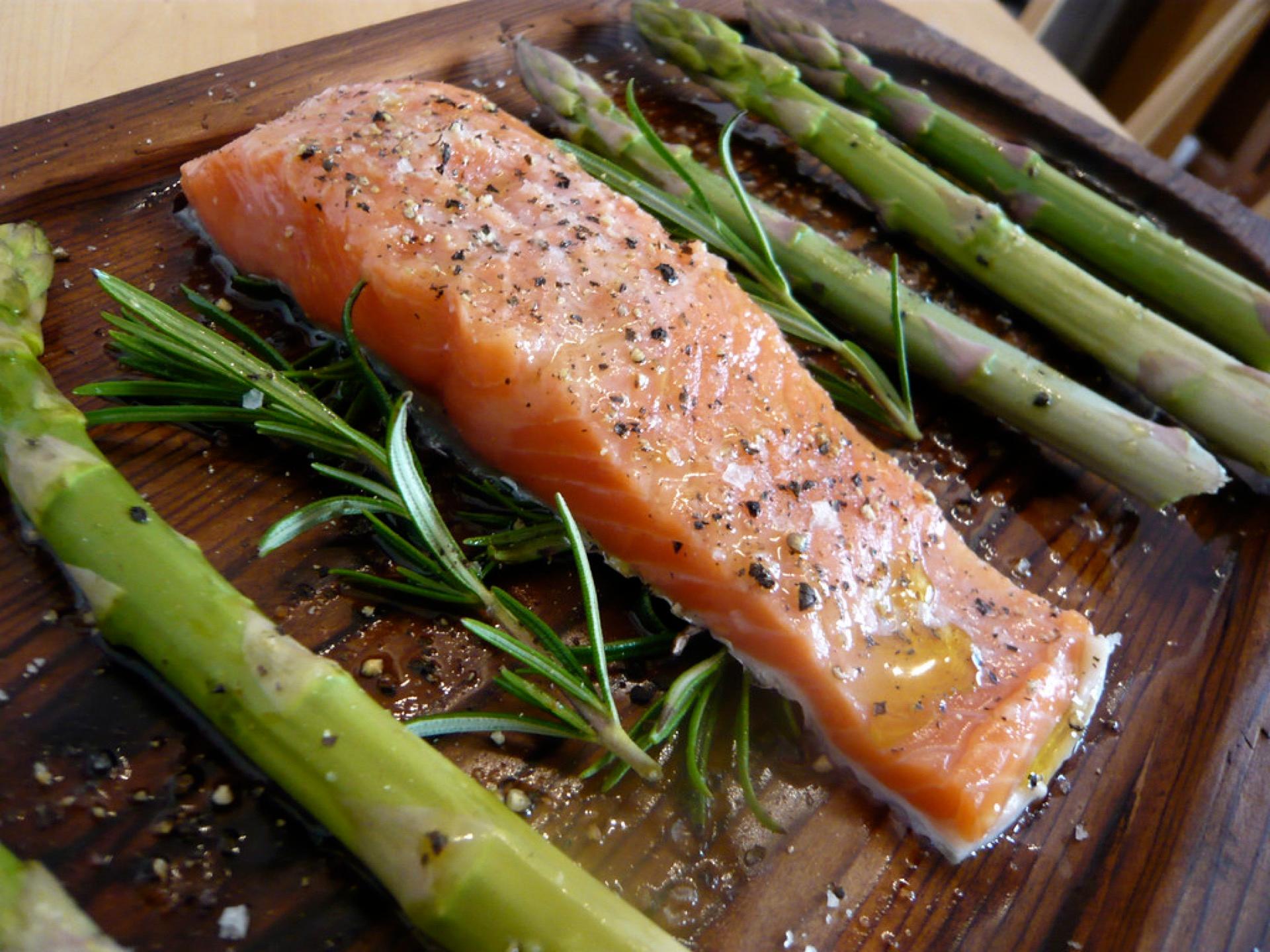
The most reliable way to help your body heal after surgery is to eat enough, often enough, with protein at every meal and a mix of fruit and vegetables alongside it. Surgical nutrition guidelines focus on that: getting back to normal eating early and not falling short on calories and protein. No single food repairs tissue, and the research on individual vitamins and supplements is thinner than the labels suggest. Here is what the sources support, what they do not, and when your own diet has to follow your surgical team's plan instead of this guide.
What are the foods that help healing after surgery?
Healing needs energy, protein and a handful of vitamins and minerals. Cleveland Clinic's recovery guide says the body needs more calories, protein and vitamins A and C after surgery, and sometimes zinc if you are deficient. Its list is written for heart surgery patients, but the nutrients are the same ones every wound uses. Build meals from these groups:
- Protein: fish, poultry, lean meat, beans, lentils, split peas, milk and yogurt (Greek yogurt has more protein per serving).
- Vitamin C: citrus, strawberries, kiwi, pineapple, peppers, broccoli, Brussels sprouts, kale, cabbage and tomatoes.
- Vitamin A: carrots, sweet potato, pumpkin, dark leafy greens, butternut squash, cantaloupe.
- Zinc: lean red meat, pumpkin and sesame seeds, fortified cereal and dairy.
These are the Cleveland Clinic's food lists (undated page), and they describe a pattern to eat from and are not a proven prescription. If you have a deficiency, correcting it matters. The NIH says vitamin C is needed for collagen, the protein that holds connective tissue together, and that severe deficiency (scurvy) causes poor wound healing. Scurvy is rare in developed countries, so for most people the practical message is to eat a varied diet.
When should you eat, and what changes around surgery day?
The ESPEN guideline (the European Society for Clinical Nutrition and Metabolism), updated in 2025, lists the goals plainly: avoid long fasts before surgery, restart oral eating as soon as possible afterward, and start nutrition support early if you are at nutritional risk. The pattern across the stages looks like this.
| Stage | What the guidelines support | What to do |
|---|---|---|
| Weeks before | Screen for malnutrition and treat it early (ESPEN 2025) | Tell your surgeon about poor appetite or weight loss; eat regular protein-rich meals |
| Day of surgery | Clear liquids until 2 hours before anesthesia and a 6-hour fast for solid food, for elective hip and knee surgery (ERAS Society, 2020) | Follow your hospital's written instructions exactly; they override anything general |
| First days | Return to oral eating as early as possible (ESPEN 2025) | Small, frequent meals; protein first when appetite is low |
| Weeks 1 to 6 | Meet calorie and protein needs; correct deficiencies | Protein at each meal, fruit and vegetables daily, enough fluid |
| Later | Return to a normal balanced diet as activity rises | Match intake to your rehab load |
The ERAS (Enhanced Recovery After Surgery) hip and knee statement is from 2020, so it is a snapshot more than three years old. Your anesthesia team's fasting rules for your case come first, and they can differ if you have reflux or slow stomach emptying.
How much protein do you need after surgery?
There is no single number for everyone. ESPEN's 2017 guideline estimates energy and protein needs at 25 to 30 kcal and 1.5 g of protein per kilogram of ideal body weight, for patients in whom nutritional therapy is indicated (those who are malnourished, at nutritional risk, or unable to eat normally for days). That figure is nearly a decade old and applies to those patients, so treat it as a reference your surgeon or dietitian adjusts for you.
What the sources do show is that falling short is common. The 2025 guideline cites a prospective study of 50 patients after major abdominal surgery in which most did not reach their energy (82%) or protein (90%) goals in the first week, and those who missed the protein target had more serious complications. It is one small observational study of major surgery, so it points at a risk and does not prove that protein prevents complications.
A simple way to check yourself: look at your last three meals and ask whether each one had a clear protein source (fish, poultry, beans, yogurt, or a drink your team recommends). If two of three did not, start there.
Do protein shakes and supplements help recovery?
Possibly a little, and the certainty is low. A 2023 systematic review of 14 studies (611 patients) after ACL reconstruction, hip replacement, knee replacement and hip fracture surgery found protein supplementation was linked to less muscle loss, with some better function scores, while saying standard doses and long-term effects still need study. A 2024 meta-analysis of 12 randomized trials (622 patients) in lower limb surgery found protein or amino acid supplements may slightly improve patient-reported outcomes (low certainty) but may not improve walking speed, and none of the trials reported kidney injury as an adverse event.
For other single nutrients the picture is thinner. ESPEN's 2025 guideline makes no general recommendation for or against oral glutamine. A 2024 Cochrane review of 33 trials of nutrition for pressure ulcers (a different kind of wound than a surgical incision) called the evidence on protein, arginine, zinc and vitamin C supplements very uncertain. Treat supplement claims about faster healing with caution, and read the label for dose.
More is not safer. The NIH notes that high zinc intake can cause nausea and vomiting, and that doses of 50 mg or more over weeks can reduce copper absorption; the upper limit for adults is 40 mg a day. Ask your surgeon before adding any supplement, because some interact with medicines or are held before surgery.
Do you have diabetes, kidney disease or a special diet?
Then your surgical team's plan overrides everything above. The general advice changes in three ways for these readers.
- Diabetes. Cleveland Clinic's guide says good blood sugar control helps wound healing and may prevent infection. ESPEN's 2025 guideline says a pre-surgery carbohydrate drink is safe in well-controlled type 2 diabetes but should not be used in severe diabetes or suspected slow stomach emptying. Do not start or skip a drink on your own; ask what to do with food and medicines on surgery day.
- Kidney disease. The NIDDK says people with chronic kidney disease may need to adjust how much protein they eat, and that dialysis changes protein needs. Do not raise protein or add supplements until your kidney team or dietitian sets the amount.
- A post-op diet. After some operations (stomach, bowel, bariatric, jaw or throat surgery), food is reintroduced in steps, from clear liquids to soft foods. Follow that order and your surgeon's timeline.
If your appetite stays poor, you are losing weight, or the wound is not healing as expected, ask for a registered dietitian. Cleveland Clinic lists those as reasons to book one.
What about constipation, fluids and pain medicine?
Opioid pain medicine slows the gut. Mayo Clinic's gastroenterologist Dr. Michael Camilleri says that even for a short course after an operation, fiber-rich foods, water and if needed an over-the-counter laxative can help, and that the best fix is to work with your provider on alternatives to opioids. In practice that means vegetables, fruit, beans and whole grains alongside fluids, and a call to your surgeon's office if you have not had a bowel movement in a few days. If you were told to limit fluids (for heart or kidney conditions), follow that limit.
Where do OutRecover's services fit?
Food comes first, and nothing at the studio replaces it. OutRecover's own pages place its IV infusions as an addition to your eating. The studio's IV infusions page describes a pre-op IV (OutPrime) and a post-op IV (OutRegen, listed as good for anyone recovering from orthopedic, plastic or elective surgery). IVs come through the studio's partner, OutInfuse, and need medical approval before your first one. The sources in this guide cover food and oral supplements; they do not test IV nutrient formulas, so the pages' wording ("may help", "supports") is the honest ceiling. Ask your surgeon before adding one.
Three packages put that IV inside a surgery plan. OutReady is a one-visit pre-surgery plan, OutRepair is a post-surgery plan for procedures such as knee arthroscopy and some hand and wrist surgery, and OutHeal spans before and after for joint replacements, spine surgery and cosmetic procedures. Sessions after surgery follow your surgeon's clearance. For other parts of the same recovery, see our guides on reducing swelling after surgery, scar healing and muscle loss after 50.
What should you ask your surgeon or dietitian?
Take this list to your pre-op visit or discharge appointment.
- What are my exact fasting and drinking instructions for surgery day, including medicines?
- Is there a food or supplement I should avoid or stop before surgery?
- How much protein should I aim for each day, given my kidneys and weight?
- Should I use a protein drink, and which one, given my diabetes or other conditions?
- Which signs of poor intake (weight loss, no appetite for several days) should make me call you?
- When can I go back to my usual diet?
- Is it safe to add an IV or any supplement while I recover?
Your next step is small: write down your fasting instructions, plan protein for tomorrow's three meals, and bring the list above to your next appointment. For timelines by procedure, see the knee replacement recovery timeline and how to prepare for a knee replacement.
This guide is general education and does not replace the instructions of your surgeon, anesthesiologist or dietitian.
Sources
- Weimann A, Braga M, Carli F, et al. ESPEN guideline on clinical nutrition in surgery (update). Clinical Nutrition, 2025. https://www.espen.org/files/ESPEN-Guidelines/ESPEN-guideline-on-clinical-nutrition-in-surgery-Update-2025.pdf
- Weimann A, Braga M, Carli F, et al. ESPEN practical guideline: Clinical nutrition in surgery. Clinical Nutrition, 2021. https://pubmed.ncbi.nlm.nih.gov/34242915
- Weimann A, Braga M, Carli F, et al. ESPEN guideline: Clinical nutrition in surgery. Clinical Nutrition, 2017. https://www.espen.org/files/ESPEN-guideline_Clinical-nutrition-in-surgery.pdf
- Wainwright TW, Gill M, McDonald DA, et al. Consensus statement for perioperative care in total hip replacement and total knee replacement surgery: ERAS Society recommendations. Acta Orthopaedica, 2020. https://pmc.ncbi.nlm.nih.gov/articles/PMC7006728
- Post-operative protein supplementation following orthopaedic surgery: a systematic review. Sports Medicine and Health Science, 2023. https://pmc.ncbi.nlm.nih.gov/articles/PMC10918348
- Efficacy of protein and essential amino acid supplementation in lower limb surgeries: a systematic review and meta-analysis. Cureus, 2024. https://pmc.ncbi.nlm.nih.gov/articles/PMC11469702
- Nutritional interventions for preventing and treating pressure ulcers. Cochrane Database of Systematic Reviews, 2024. https://pmc.ncbi.nlm.nih.gov/articles/PMC10860148
- NIH Office of Dietary Supplements. Vitamin C: Health Professional Fact Sheet. https://ods.od.nih.gov/factsheets/VitaminC-HealthProfessional
- NIH Office of Dietary Supplements. Zinc: Health Professional Fact Sheet. https://ods.od.nih.gov/factsheets/Zinc-HealthProfessional
- Cleveland Clinic. Recovery Care: Nutrition Guidelines (heart surgery patient education). https://my.clevelandclinic.org/departments/heart/patient-education/recovery-care/general/nutrition
- National Institute of Diabetes and Digestive and Kidney Diseases. Healthy Eating for Adults with Chronic Kidney Disease. https://www.niddk.nih.gov/health-information/kidney-disease/chronic-kidney-disease-ckd/healthy-eating-adults-chronic-kidney-disease
- Mayo Clinic News Network. Mayo Clinic Minute: Opioids can cause gut problems. https://newsnetwork.mayoclinic.org/discussion/mayo-clinic-minute-opioids-can-cause-gut-problems