Swelling after surgery is the body doing its job, and the habits that help most are plain ones: raise the limb, use cold early, keep moving, and wear whatever compression your surgeon prescribes. Hands-on lymphatic massage and compression devices have a more mixed record, and the evidence differs by surgery. Below is what the sources say, how long swelling usually lasts, which signs mean a call to your surgeon, and where a recovery studio fits once you are cleared.
Why does swelling happen after surgery, and how long does it last?
Surgery injures tissue, and the body responds with fluid and inflammation. For orthopedic surgery, the American Academy of Orthopaedic Surgeons (AAOS) says to expect moderate to severe swelling in the first days to weeks after a knee replacement and mild to moderate swelling for about 3 to 6 months. Its hip replacement page gives the same timeline. For a closer look at each week, see our knee replacement recovery timeline and hip replacement recovery timeline.
Cosmetic surgery follows a similar arc on a shorter clock. A plastic surgeon's review of liposuction outcomes (2013) describes swelling that appears within 24 to 48 hours and keeps mildly increasing for the first 10 to 14 days. The American Society of Plastic Surgeons (ASPS) says liposuction swelling usually starts to go down by the end of the first week, may last as long as six weeks in some degree, and for a tummy tuck keeps diminishing until about three months after surgery. That 2013 review is a snapshot more than three years old, and your surgeon's own timeline for your procedure comes first.
How to reduce swelling after surgery: what does the evidence support?
Four habits have the firmest backing: raising the limb, cold in the first days, movement, and compression your surgeon prescribes. The strongest recent source is a 2025 Level I systematic review of swelling management after knee replacement, covering 140 studies. It found the most consistent effects from tranexamic acid (a drug your surgical team decides on), limiting tourniquet use, keeping the knee bent between 30 and 90 degrees for the first 6 to 72 hours, and cryotherapy during the first two weeks. Mechanical compression was listed among the promising strategies.
- Raise the limb. AAOS advises raising the leg and applying ice to reduce swelling.
- Cold, early. For exercise-related flare-ups, AAOS suggests ice for 20 minutes, then 20 minutes off, repeated for about two hours. Use cold the way your surgeon tells you to, and keep a barrier between ice and skin.
- Move. The CDC says to move around as soon as possible after surgery to lower clot risk, and AAOS describes short, frequent walks in early knee recovery. Movement also keeps fluid from pooling.
- Compression garments. ASPS says a post-surgical garment helps limit fluid build-up under the skin, with wear time that varies by procedure and surgeon. AAOS notes compression stockings may help after joint replacement.
Cold and compression are two places where a surgeon's instructions differ from patient to patient. If yours differ from the list above, follow yours.
Does lymphatic massage or lymphatic drainage after surgery work?
It depends on the surgery, and the honest answer after joint replacement is that it has not shown a benefit. A 2024 meta-analysis of seven randomized trials (285 patients) found no difference in leg circumference, pain or range of motion after total knee replacement and concluded that manual lymphatic drainage is not recommended for that rehabilitation. A separate 2024 randomized trial of 112 patients reached the same result, though its authors note limits and call for studies in later recovery and after arthroscopic surgery. The knee swelling review above also calls the results for manual lymphatic drainage inconsistent or null.
Cosmetic surgery looks a little more favorable, with caveats.
Lymphatic drainage after liposuction and lymphatic massage after a tummy tuck
A 2026 systematic review of manual lymphatic drainage after cosmetic surgery pulled together seven studies, mostly liposuction and abdominoplasty. It reported moderate benefit for swelling, inconsistent effects on pain and fibrosis, and few side effects. Results varied by procedure and looked better when sessions began early (days 2 to 5) and ran 6 to 12 sessions. The authors say high-quality trials are still needed, and the review itself notes that some studies found no difference compared with compression alone.
Lymphatic massage after surgery is a reasonable thing to ask your plastic surgeon about. The better results in that review came from starting in days 2 to 5, a window your surgical team manages, so it is not something to start on your own.
What about lymphedema research?
You will see strong claims for lymphatic massage and compression that come from lymphedema studies. Lymphedema is a long-term condition where the lymph system is damaged or missing, a different population from someone with ordinary post-operative swelling. Even there, a meta-analysis of 10 randomized trials (2013) in breast-cancer-related lymphedema found that manual drainage did not clearly prevent or reduce it, with inconsistent studies. Findings from that group do not transfer cleanly to your knee or your abdomen.
What does the research say about pneumatic compression devices?
Evidence for compression devices after surgery is thinner than for the basics, and most of it is about clot prevention, which is its own question. One 2022 randomized trial of 150 knee replacement patients compared a portable pneumatic device worn on the operated leg for 10 days against the blood thinner enoxaparin. By day three, ankle circumference rose about 1.5 cm with the drug and almost none with the device. That is a hospital-issued device used around the clock for clot prevention, so it does not tell you what a 30 or 45 minute session does for swelling weeks later.
We found no good trials of studio-style sessions after joint replacement or liposuction. Treat any claim of a specific volume reduction with caution.
Swelling or a warning sign? Know the difference
AAOS says swelling and soreness can flare after exercise and eases with a raised leg and ice. The patterns below are different: they call for your surgeon, and the lung symptoms call for emergency care.
| Pattern | What it can look like | What to do |
|---|---|---|
| Blood clot in the leg (DVT) | CDC: swelling, pain or tenderness not caused by injury, skin warm to the touch or red or discolored. AAOS adds increasing swelling of the calf, ankle or foot. About half of people with DVT have no symptoms (CDC). | Call your surgeon right away. CDC says clot risk remains for 90 days after surgery. |
| Clot in the lungs (PE) | Shortness of breath, sudden chest pain, chest pain that worsens with a deep breath or cough, coughing up blood, a fast or irregular heartbeat. | Seek emergency care. |
| Infection | AAOS: fever above 100 degrees, shaking chills, increasing redness, tenderness or swelling around the wound, drainage, increasing pain at rest and with activity. | Call your surgeon the same day. |
| Seroma (fluid pocket) | The Cleveland Clinic describes a soft bump or swelling near the incision, usually showing 7 to 10 days after surgery. Most go away on their own. | Tell your surgeon. Call right away if fluid looks like pus or you see signs of infection. |
Do not try to tell a clot from swelling yourself. If you cannot tell, call.
What to do, week by week
This table is a general frame built from the sources above. The AAOS pages cover knee and hip replacement; shoulder timelines differ, so ask your surgeon for yours. Your surgeon's plan overrides everything here.
| When | Orthopedic surgery (knee, hip, shoulder) | Liposuction or tummy tuck |
|---|---|---|
| Days 1 to 3 | Keep the leg raised, cold as instructed, short frequent walks as your team allows, wear prescribed stockings. | Wear the garment as instructed, rest, short walks. Swelling shows up within 24 to 48 hours after liposuction. |
| Days 4 to 14 | Swelling can be moderate to severe. Keep the leg raised and keep walking. Watch for clot and infection signs. | Swelling may keep rising through about day 10 to 14. Ask your surgeon whether drainage massage is part of your plan. Watch for a seroma around days 5 to 10. |
| Weeks 3 to 6 | Swelling should trend down, with flare-ups after activity. Continue therapy exercises. | Garment typically continues through about week 4 to 6, per your surgeon. Swelling can linger up to six weeks. |
| Months 2 to 3 | Mild to moderate swelling is still expected. | Tummy tuck swelling keeps diminishing toward about three months. |
| Months 3 to 6 | AAOS: mild to moderate swelling can last about 3 to 6 months after joint replacement. | Final results often settle between 1 and 3 months after liposuction (ASPS), longer for some. |
Bring this list to your next visit:
- How long should I keep it raised and use cold, and how often?
- Which compression garment or stockings do I wear, and for how long?
- Is manual lymphatic drainage part of my plan, and when does it start?
- When can I add compression sessions or other recovery services?
- Which swelling changes should make me call you the same day?
Where studio services fit, once your surgeon clears them
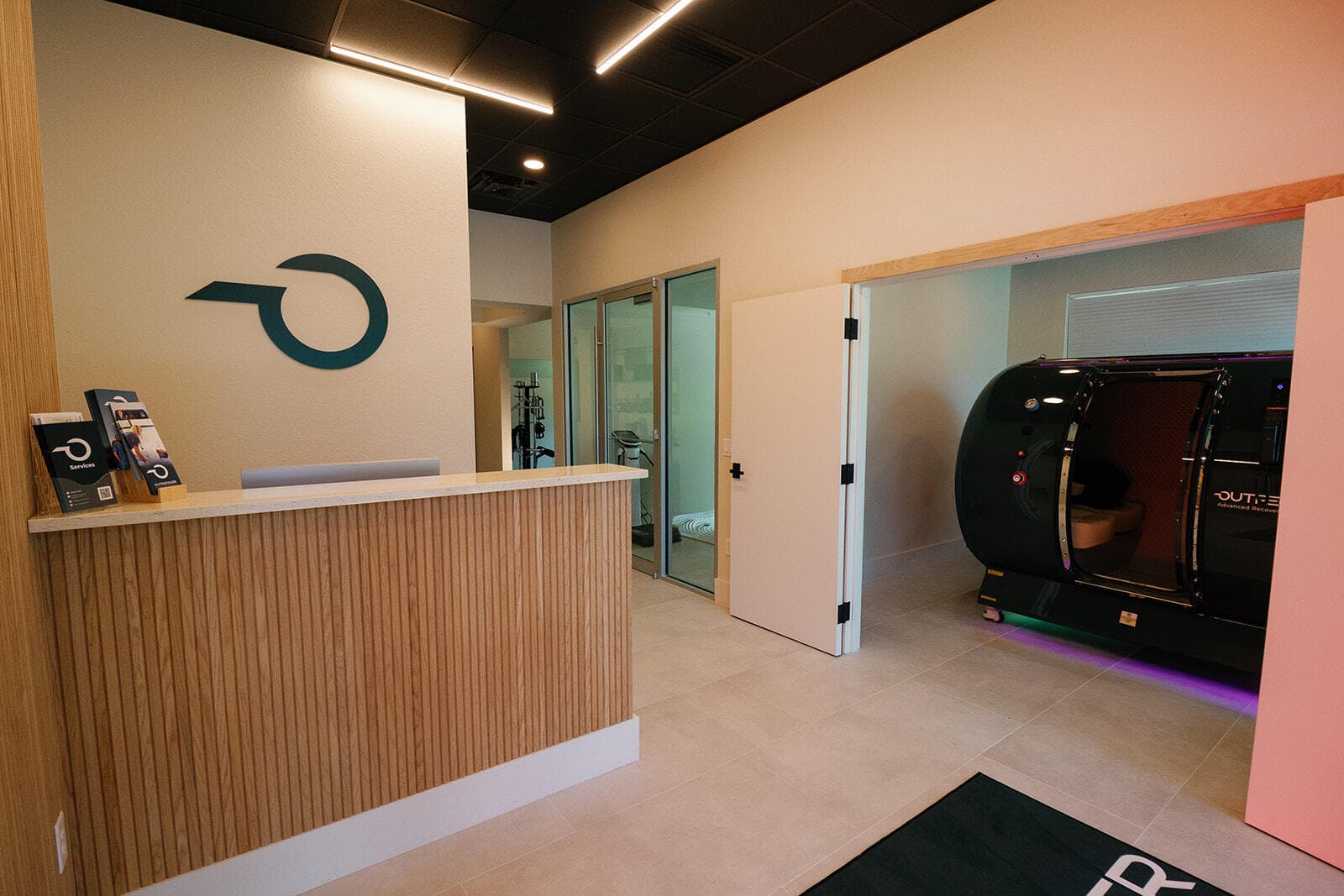
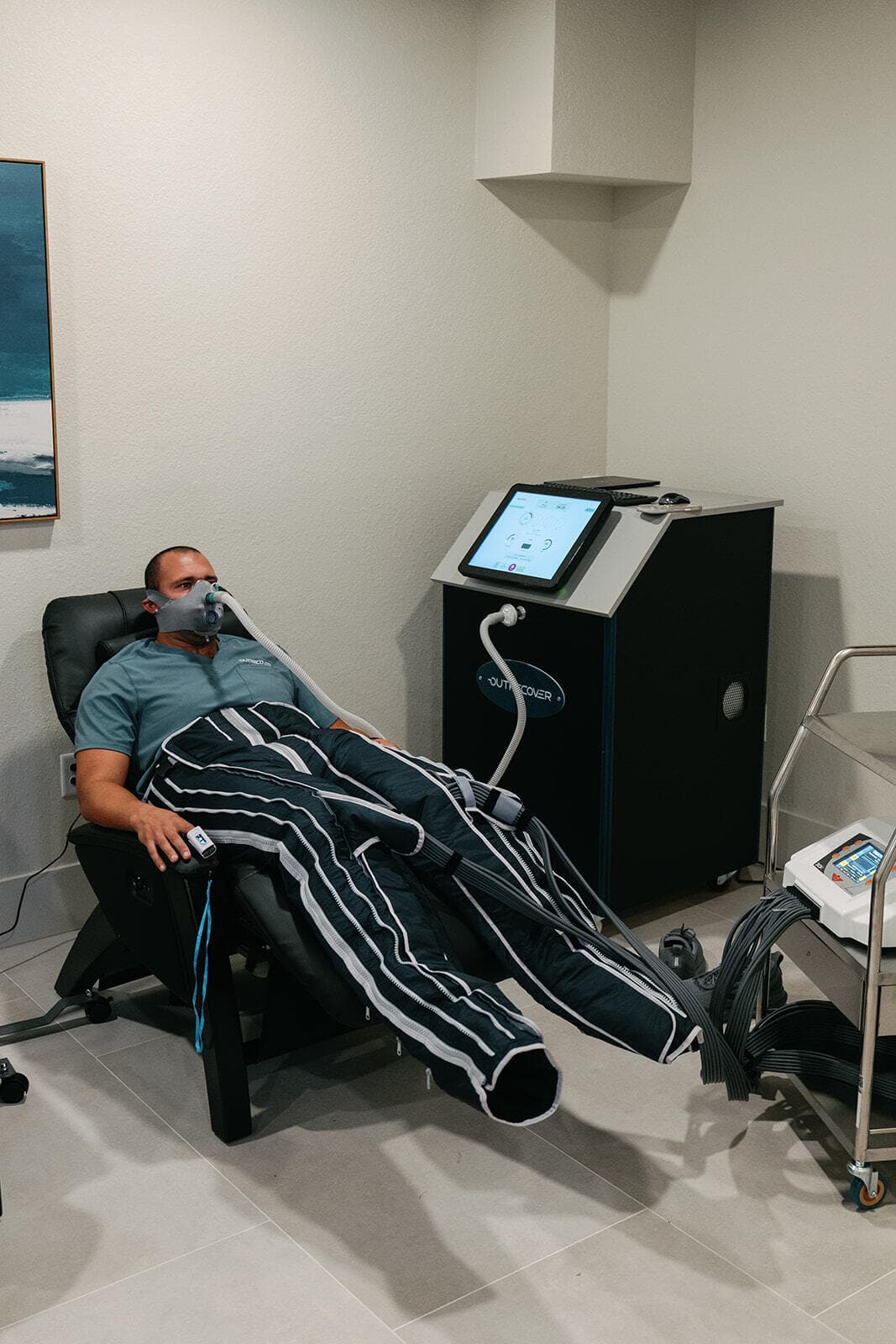
OutRecover is a recovery studio at 675 Piper Boulevard in North Naples, and the honest fit is a supporting role after your surgeon's plan, not a replacement for it. Searching for lymphatic massage in Naples, FL, is a common starting point, so to be clear: the studio's BOA Max lymphatic compression is a machine-based, full-body pneumatic compression session that its own page describes as mimicking manual lymphatic drainage. It is passive, and its page lists post-surgical swelling and post-liposuction recovery among its uses. Based on the research above, we cannot say it reduces swelling after surgery. The studio's research summary leans on lymphedema and clot-prevention studies, which are different groups from the one you are in.
Normatec compression is a leg-sleeve pneumatic system, and the studio lists it for heavy legs, leg swelling and post-surgical circulation. Both compression pages list cautions: avoid active DVT sites, open wounds or skin infections, and the BOA Max page asks you to check with your physician if you have congestive heart failure, pulmonary edema or active infections. Class IV laser therapy is listed for post-surgical site recovery, and this guide did not review swelling evidence for it.
For a plan, two packages are built around swelling. OutRestore combines red light, lymphatic compression and molecular hydrogen, and its page says sessions after surgery follow your surgeon's clearance. OutFlow skips compression and pairs red light with H-Wave, for people who cannot use it. Packages show current pricing on their pages.
Your next step
Write down your surgery date and the three questions from the list above that matter most to you, and ask your surgeon at the next visit. If you get a yes on compression sessions, tell the studio your surgery date and bring your surgeon's instructions so sessions can be scheduled around them. If you are earlier in the process, our guide to how to prepare for knee replacement covers the weeks before.
Wellness services at OutRecover are not a substitute for your surgeon's or physical therapist's plan.
Sources
- American Academy of Orthopaedic Surgeons. Activities After Total Knee Replacement. OrthoInfo, accessed 2026. https://orthoinfo.aaos.org/en/recovery/activities-after-knee-replacement
- American Academy of Orthopaedic Surgeons. Activities After Total Hip Replacement. OrthoInfo, accessed 2026. https://orthoinfo.aaos.org/en/recovery/activities-after-hip-replacement
- American Academy of Orthopaedic Surgeons. Total Knee Replacement Exercise Guide. OrthoInfo, accessed 2026. https://orthoinfo.aaos.org/en/recovery/total-knee-replacement-exercise-guide
- Dixit VV, Wagh MS. Unfavourable outcomes of liposuction and their management. Indian Journal of Plastic Surgery, 2013. https://pmc.ncbi.nlm.nih.gov/articles/PMC3901919
- American Society of Plastic Surgeons. What to expect after liposuction. plasticsurgery.org, accessed 2026. https://www.plasticsurgery.org/news/blog/what-to-expect-after-liposuction
- American Society of Plastic Surgeons. Answers to common tummy tuck questions. plasticsurgery.org, accessed 2026. https://www.plasticsurgery.org/news/blog/answers-to-common-tummy-tuck-questions
- American Society of Plastic Surgeons. The importance of compression after plastic surgery. plasticsurgery.org, accessed 2026. https://www.plasticsurgery.org/news/blog/the-importance-of-compression-after-plastic-surgery
- Swelling Management in Total Knee Arthroplasty: A Systematic Review. PubMed (PMID 40920881), 2025. https://pubmed.ncbi.nlm.nih.gov/40920881
- Lu H, et al. Effects of manual lymphatic drainage on total knee replacement: a systematic review and meta-analysis of randomized controlled trials. BMC Musculoskeletal Disorders, 2024. https://pubmed.ncbi.nlm.nih.gov/38167036
- Wagner M, et al. Manual lymphatic drainage before and after total knee arthroplasty, a randomized controlled trial. PubMed Central, 2024. https://pmc.ncbi.nlm.nih.gov/articles/PMC11092877
- Alsairefi S, et al. Efficacy of Manual Lymphatic Drainage in Reducing Postoperative Complications After Cosmetic Plastic Surgery: A Systematic Review. Plastic and Reconstructive Surgery Global Open, 2026. https://pmc.ncbi.nlm.nih.gov/articles/PMC13641654
- Huang TW, et al. Effects of manual lymphatic drainage on breast cancer-related lymphedema: a systematic review and meta-analysis of randomized controlled trials. World Journal of Surgical Oncology, 2013. https://pmc.ncbi.nlm.nih.gov/articles/PMC3562193
- Thromboprophylaxis with unilateral pneumatic device led to less edema and blood loss compared to enoxaparin after knee arthroplasty: randomized trial. BMC Musculoskeletal Disorders, 2022. https://pmc.ncbi.nlm.nih.gov/articles/PMC9664627
- Centers for Disease Control and Prevention. About Venous Thromboembolism (Blood Clots). CDC, accessed 2026. https://www.cdc.gov/blood-clots/about/index.html
- Centers for Disease Control and Prevention. Blood Clot Prevention Plan Checklist. CDC, accessed 2026. https://www.cdc.gov/blood-clots/media/pdfs/Prevention-Plan-Checklist.pdf
- Cleveland Clinic. Seroma: What It Is, Symptoms & Treatment. Cleveland Clinic, accessed 2026. https://my.clevelandclinic.org/health/diseases/seroma