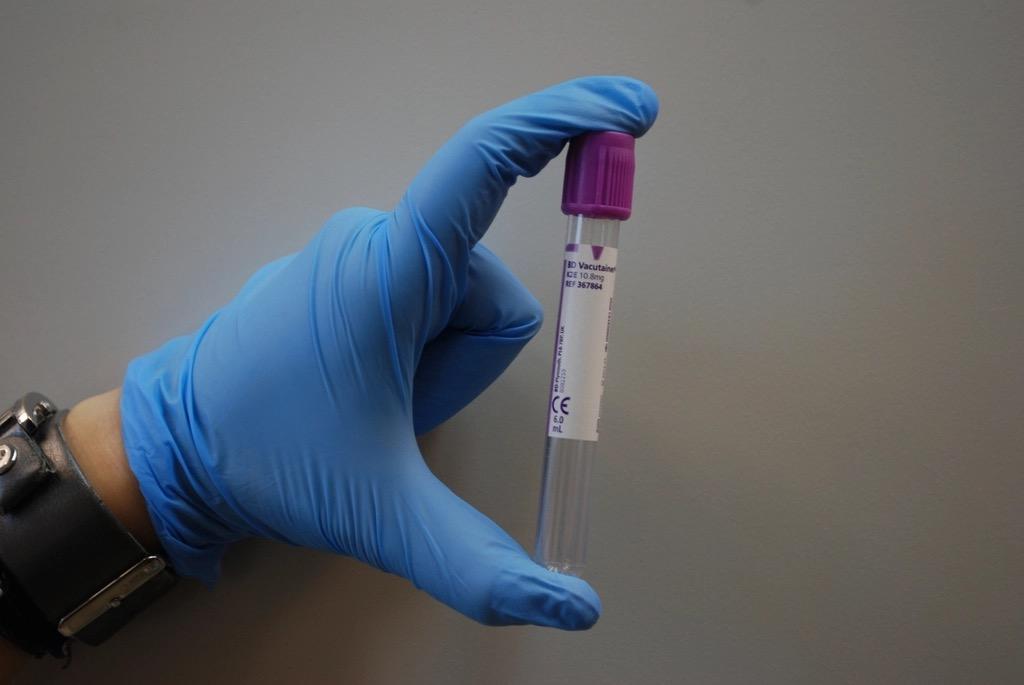
Low vitamin D is linked with tiredness, bone pain, muscle weakness or aches, and low mood in adults. Those symptoms are common, vague and shared with many other problems, and some people with low levels notice nothing. So symptoms alone cannot tell you your level. A blood test ordered through a doctor is how low vitamin D is confirmed.
What are the symptoms of low vitamin D?
Cleveland Clinic lists the signs in adults as fatigue, bone pain, muscle weakness, aches or cramps, and mood changes such as depression, and adds that you may have no symptoms at all. The NIH describes the severe end of the range: rickets in children and osteomalacia, a softening of bones, in adolescents and adults.
Here is how to read that list in practice:
| What you notice | Why it does not point only to vitamin D |
|---|---|
| Tiredness | Sleep, stress, thyroid, iron, medications and many illnesses cause it |
| Bone pain or deep aching | Injury, arthritis and overuse cause it |
| Muscle weakness, aches or cramps | Training load, age-related muscle loss, medications and dehydration cause it |
| Low mood | Many causes, medical and otherwise |
The pattern that deserves a call to your doctor is a cluster that lasts: bone pain together with muscle weakness, especially if you also have a reason for low vitamin D (see the risk list below). One tired week does not qualify.
How is low vitamin D diagnosed?
A blood test for 25-hydroxyvitamin D, written 25(OH)D, is the diagnostic. The NIH calls it the main indicator of vitamin D status because it reflects vitamin D from sun, food and supplements together. MedlinePlus says a provider may order the test if you have bone pain, muscle weakness or aches, soft or deformed bones, or fractures, or if you are at high risk of deficiency.
Results come in nmol/L or ng/mL. The NIH fact sheet reports the National Academies' reading of the range: the risk of deficiency rises below 30 nmol/L (12 ng/mL), some people are potentially at risk of inadequacy at 30 to 50 nmol/L (12 to 20 ng/mL), and 50 nmol/L (20 ng/mL) or more is sufficient for most people. The same page notes that researchers have not definitively identified the exact levels tied to deficiency or adequacy. Treat the cutoffs as a guide your doctor interprets, not a pass or fail line.
Did the 2024 Endocrine Society guideline change who gets tested?
Yes. The 2024 guideline suggests against routine 25(OH)D testing in the populations it studied, because no clinical trial evidence supports screening and no clear target level for disease prevention was found. That includes people with obesity or dark skin. The Society's own summary adds that it does not recommend routine testing in any of these groups.
Two details keep that from being misread. First, the guideline covers people without established indications for testing; its own example is low blood calcium. Bone pain and muscle weakness are the kind of symptoms where a doctor may decide a test is warranted. Second, a 2026 review in Nutrients notes the guideline no longer endorses the older 30 ng/mL target and leaves a gap in guidance for people who already have low levels. So the rule you can use: no symptoms and no risk factors, testing is not routinely advised. Symptoms or risk factors, ask.
Who is more likely to have low vitamin D?
The NIH consumer sheet names older adults, people who seldom expose their skin to sun, people who use sunscreen, and people with dark skin, since each makes less vitamin D from sunlight. The professional sheet adds limited sun exposure, kidneys that cannot activate vitamin D, poor absorption in the gut, and diets low in vitamin D, such as milk allergy or a vegan diet. MedlinePlus lists weight loss surgery among the risks. Cleveland Clinic names several medication groups that can lower levels, including steroids, some seizure drugs, orlistat and cholesterol-lowering resins.
Checklist for your next appointment:
- Do I have any risk factor above?
- Which of my symptoms have lasted more than a few weeks?
- Which medications and supplements do I take?
- Do I need a 25(OH)D test, or another test first?
- If the level is low, what is the plan and when do we retest?
What do you do if the test shows low vitamin D?
Your doctor sets the plan. The NIH notes that a provider may recommend doses above the usual upper limits for a period of time to treat deficiency, which is a reason not to self-dose from a symptom list. For everyone else, the NIH upper limit for adults is 100 mcg (4,000 IU) a day from food, drinks and supplements combined.
More is not safer. The NIH says very high blood levels (above 150 ng/mL) can cause nausea, vomiting, muscle weakness, confusion, pain and kidney stones, and that high levels almost always come from supplements. You cannot get too much from sunshine, because skin limits what it makes. The NIH's professional sheet does warn that frequent tanning-bed use can push levels very high.
Where does a studio fit?
OutRecover cannot diagnose low vitamin D, and nothing here replaces a blood test or your doctor's advice. If your doctor says your level is low, or you are recovering from surgery, the studio offers Vitamin D Light Therapy. Its page describes short sessions under calibrated UVB lamps that help the skin make its own vitamin D, with timing set by skin type. It also states that eye protection is required and that it is not suitable for photosensitive skin conditions or for anyone on photosensitizing medications. The NIH notes that UV radiation is a carcinogen and that limiting skin exposure to sunlight and tanning-bed UV is prudent, so ask your doctor whether UVB sessions suit you at all. Check with your surgeon or doctor before adding it, particularly in the first weeks after an operation.
It is also part of two packages: OutHeal, built for joint replacement, ACL, rotator cuff and spinal fusion recovery, and OutRebuild, built for muscle strains, ankle and knee sprains and soft-tissue sports injuries. Both combine several services, so choose them for the whole plan, not for the vitamin D session. The research summary at The Science: Vitamin D Light Therapy covers the clinical evidence, including where it is limited.
If muscle weakness is your main worry and your vitamin D is fine, see muscle loss after 50, and an InBody scan can show how much lean mass you carry.
Your next step
Write down your symptoms, how long they have lasted, and your risk factors, then book a visit with your doctor and ask whether a 25(OH)D test makes sense for you. Do that before buying a supplement or a session. If your level is low, your doctor's plan comes first, and the studio can fit around it.
Sources
- National Institutes of Health, Office of Dietary Supplements. Vitamin D: Fact Sheet for Health Professionals. NIH ODS, page read 2026-11-06. https://ods.od.nih.gov/factsheets/VitaminD-HealthProfessional/
- National Institutes of Health, Office of Dietary Supplements. Vitamin D: Fact Sheet for Consumers. NIH ODS, page read 2026-11-06. https://ods.od.nih.gov/factsheets/VitaminD-Consumer/
- Demay MB, Pittas AG, Bikle DD, et al. Vitamin D for the Prevention of Disease: An Endocrine Society Clinical Practice Guideline. Journal of Clinical Endocrinology and Metabolism, 2024. https://pubmed.ncbi.nlm.nih.gov/38828931/
- Endocrine Society. Vitamin D for the Prevention of Disease (clinical practice guideline page). Endocrine Society, 2024. https://www.endocrine.org/clinical-practice-guidelines/vitamin-d-for-prevention-of-disease
- Endocrine Society. Endocrine Society Guideline recommends healthy adults under the age of 75 take the recommended daily allowance of vitamin D. Endocrine Society news room, 2024. https://www.endocrine.org/news-and-advocacy/news-room/2024/endocrine-society-recommends-healthy-adults-take-the-recommended-daily-allowance-of-vitamin-d
- The 2024 Endocrine Society Guideline on Vitamin D: Comprehensive Summary and Critical Appraisal. Nutrients, 2026. https://www.mdpi.com/2072-6643/18/9/1472
- MedlinePlus (National Library of Medicine). Vitamin D Test. MedlinePlus, page read 2026-11-06. https://medlineplus.gov/lab-tests/vitamin-d-test/
- Cleveland Clinic. Vitamin D Deficiency: Causes, Symptoms and Treatment. Cleveland Clinic, page read 2026-11-06. https://my.clevelandclinic.org/health/diseases/15050-vitamin-d-vitamin-d-deficiency