Most people notice the night-time tingling ease within the first week or so after carpal tunnel release, and are back at a desk within days. The slower parts are the sore heel of the palm, grip strength and numbness in the fingertips, which take weeks to months. This guide lays out that timeline from the surgeons' own sources, and says plainly where wellness services fit and where the evidence runs out.
What happens in carpal tunnel release, open or endoscopic?
The surgeon cuts the transverse carpal ligament, the roof of the carpal tunnel, so the median nerve has room. The American Academy of Orthopaedic Surgeons (AAOS) describes two techniques: open release through a small cut in the palm, and endoscopic release through one or two smaller cuts with a camera. It states the outcomes are similar, and that most surgery is outpatient under local or general anesthesia.
Hospital for Special Surgery (HSS), 2023 adds that endoscopic release can mean less pain, a faster recovery and less scar sensitivity, and that the operation takes about 10 to 20 minutes. Ask your surgeon which technique suits your hand and how often they perform it.
Carpal tunnel surgery recovery timeline, week by week
Treat these as ranges and check them against your surgeon's plan. Your surgeon's instructions come first, and the sources differ a little because jobs, hands and techniques differ.
| When | What sources report |
|---|---|
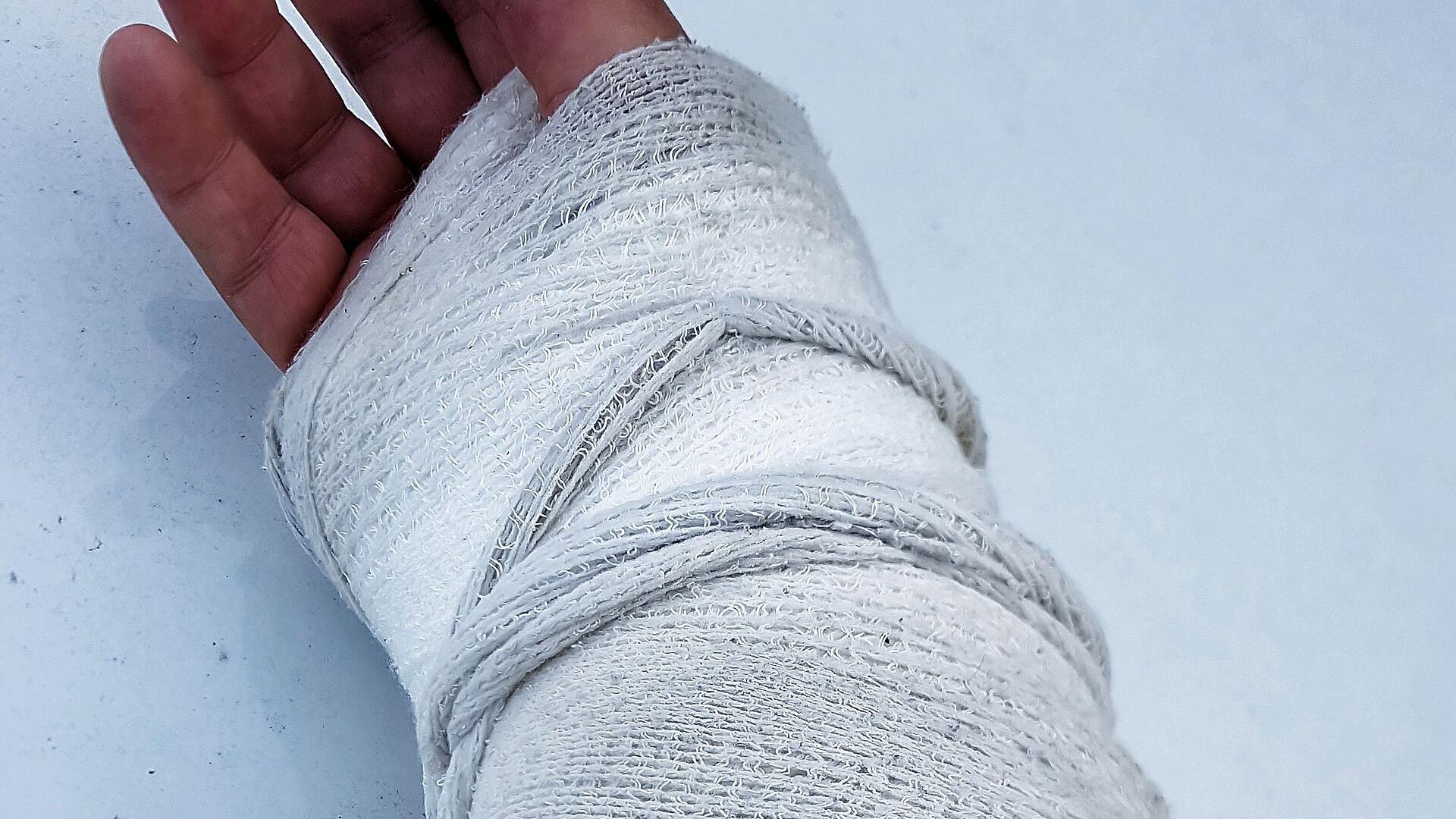
| Day 0 to 2 | You go home the same day with a bandage and free fingers. Keep the hand raised above your heart and move your fingers to limit swelling and stiffness (AAOS). Numbness from anesthesia lasts hours to a day (HandCare, ASSH). |
| Week 1 to 2 | Night symptoms improve dramatically for most people in the first week or so (AAOS). First follow-up is at 1 to 2 weeks. Absorbable stitches dissolve; non-absorbable ones come out around 7 to 14 days (HandCare). With endoscopic surgery you may have none to remove (HSS). Driving returns somewhere between a few days and about two weeks (HSS). |
| Week 3 to 6 | Driving, self-care and light lifting and gripping may be permitted soon after surgery (AAOS). In one small study, grip and pinch strength dipped at three weeks (Tzanis et al., 2026). Heavy manual labor is possible at 3 to 4 weeks for many people (HandCare). Sports or gym may take 4 to 6 weeks (HSS). |
| Week 6 to 12 | Grip and pinch strength usually return by about 2 to 3 months (AAOS). HandCare gives 6 weeks to 3 months for full activity, including weights and push-ups. |
| Month 3 to 12 | Palm soreness can last weeks to months, and complete recovery can take up to a year (AAOS). If the nerve was in poor shape before surgery, strength and fingertip feeling may take 6 to 12 months to improve. |
Why does my grip feel weaker before it gets stronger?
A dip is expected. In a 2026 study of 21 adults after mini-open release, grip dropped at three weeks, returned to its pre-surgery level by nine weeks and passed it by 15 weeks (27.5 kg before surgery, 32.3 kg at 15 weeks) (Tzanis et al., 2026). All 21 followed a home strengthening program, there was no comparison group, and the authors say the exercise cannot be credited for the gain. Read it as a typical shape, and let your surgeon set your schedule.
Numbness follows its own clock. AAOS says tingling tends to improve over the first several months, some mild cases feel better right away, and severe cases may not have normal fingertip sensation for 6 to 12 months. In very severe cases it may never fully return, which is why surgery is done to stop the nerve getting worse.
What is pillar pain, and how long does it last?
Pillar pain is soreness at the base of the hand, in the heel of the palm. It can follow open or endoscopic release, though more often after open surgery, according to HandCare. It can occasionally last six months, and the vast majority of people no longer have it 12 months after surgery. The same source says to keep using the hand through it once the incision has healed.
A 2024 systematic review and meta-analysis of 12 studies found pillar pain becomes less common after three months, with most cases resolved by six to 12 months. Minimally invasive techniques had less of it only between three and six months (odds ratio 0.41, 95% confidence interval 0.20 to 0.86); at other time points the difference was not significant.
When can I go back to work, driving, golf or pickleball?
Work depends on the job. HSS says most people return to desk work or light activity within 1 to 2 days and need a few weeks for physically demanding jobs. HandCare says office work within a week and heavy manual labor within 3 to 4 weeks. Studies vary widely: a 2024 report cites a meta-analysis of 43 studies with an average of 23 days and a range of 7 to 75.
For sport, none of the surgeon sources we reviewed name golf or pickleball. They give general ranges:
- HSS: sports or gym may need four to six weeks.
- HandCare: full activity including weight lifting between 6 weeks and 3 months.
- A 2022 retrospective study of 40 people reached by phone after endoscopic release on both hands: an average of 19 days to recreational activity, and 39 days for people over 65 versus 11 days for younger ones.
A golf club or paddle handle presses on the palm, where pillar pain sits. That is our inference and no source tests it, so ask your surgeon for your own date and for grip-size or swing limits.
What is normal, and what are the warning signs?
Pain, swelling and stiffness are expected after the operation. The most common complications AAOS lists are bleeding, infection, wound healing problems and nerve aggravation or injury.
Call your surgeon's office if you notice:
- Pus or drainage from the incision, or a bad smell.
- Redness spreading beyond the scar, or a hot incision.
- Fever or chills.
- Pain that climbs instead of easing.
- Numbness or weakness that is getting worse rather than slowly better.
Cleveland Clinic says surgical site infection symptoms typically appear three to seven days after surgery, and MedlinePlus lists pus, odor, fever, chills, heat, redness and pain. Those two sources cover surgical wounds in general. The last bullet is a general prompt without a sourced threshold, so your surgeon decides what is worrying for you.
Do you need hand therapy after carpal tunnel surgery?
Often not. The AAOS 2024 guideline summary reports moderate evidence that most people do not need a splint or brace and can return to normal activity soon, and that most do not need hand therapy, with the surgeon making the final call. OrthoInfo adds that significant pain and weakness beyond two months is a reason to ask for a hand therapist.
The Cochrane review of rehabilitation after release (22 trials, 1,521 people, evidence to September 2015, so a snapshot) found limited, low-quality evidence for splints, dressings, exercise, cold therapy, combined hand rehabilitation, laser, electrical treatments, scar desensitisation and arnica. Differences in return to work and function were generally small and not statistically significant.
Decision rule: if strength or pain is not improving by about two months, ask for a referral. If it is improving, patience is the evidence-backed plan.
Where can studio services fit, once your surgeon clears you?
Clear anything new with your surgeon first, and wait until the incision has closed. The evidence for studio therapies after this operation is limited, and we found no trial of whole-body red light, PEMF, H-Wave or hyperbaric oxygen after carpal tunnel release.
Laser is the one with some carpal tunnel evidence, and it comes from people with carpal tunnel syndrome who had not had surgery:
- A 2025 meta-analysis of nine trials of high-intensity (Class IV) laser found less pain and disability, with certainty it rated moderate to low.
- A Cochrane review of low-level laser (2017) found very low quality evidence and could not say whether it improves symptoms.
- AAOS lists laser among options that might help a little for a short time.
After surgery, the Cochrane rehabilitation review is the only evidence above, and it is low quality. So Class IV laser is a reasonable question for your surgeon, and no study shows it speeds recovery after this surgery. The research summary and our laser therapy guide cover the broader evidence.
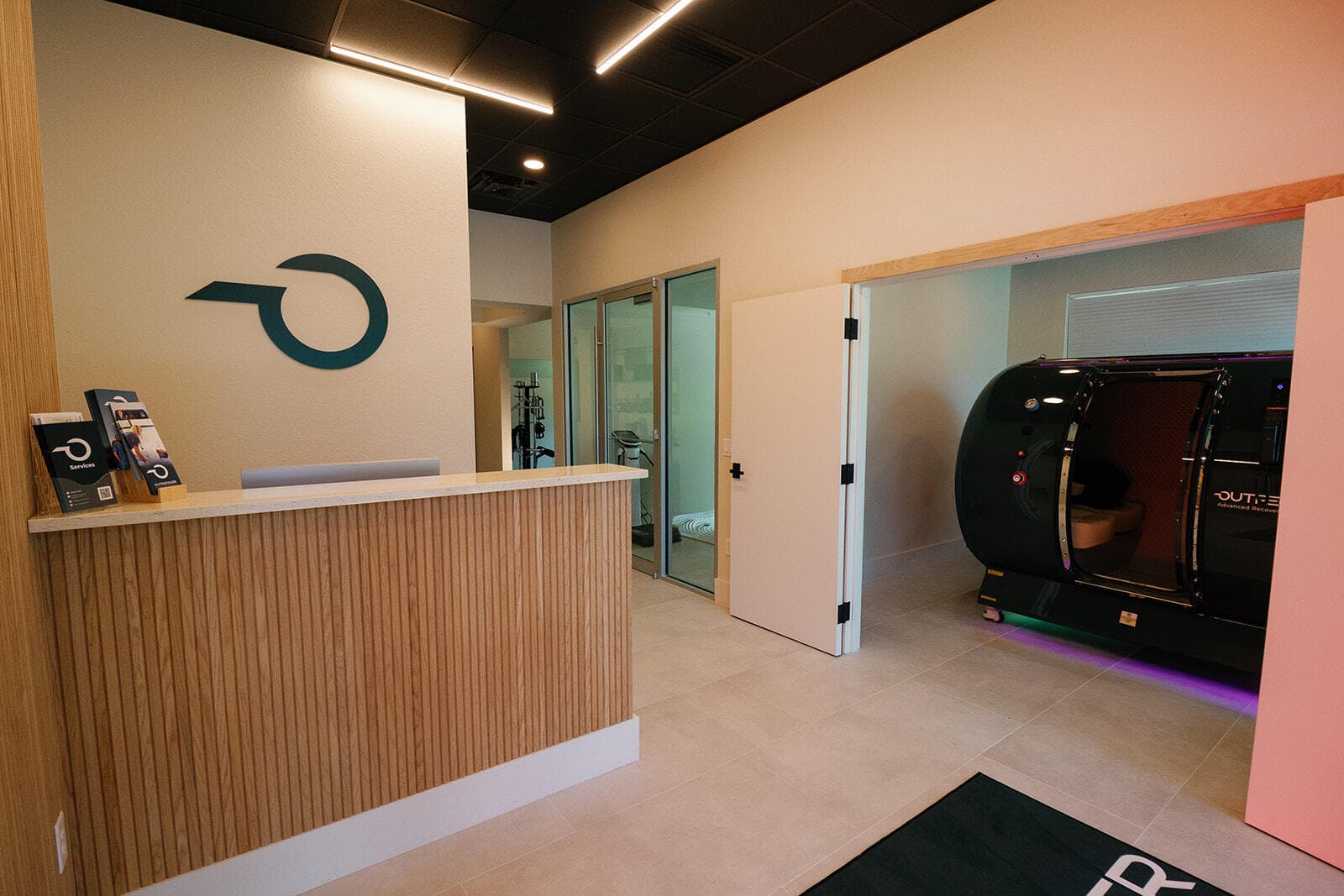
For the package that fits, OutRepair lists some hand and wrist procedures among who it is for, with hyperbaric oxygen, red light and an IV, scheduled around your surgery date and your surgeon's clearance. If swelling is your main trouble and compression is not allowed, OutFlow pairs red light with H-Wave; our swelling after surgery guide explains what is known. Neither package treats the nerve.
Questions to ask your surgeon
- Open or endoscopic, and why for my hand?
- When do stitches come out, if any, and when can the incision get wet?
- When can I drive, type and lift, and what is my date for golf or pickleball?
- Which numbness or weakness should I call about?
- When would you send me to hand therapy?
- Is anything I am considering, including studio sessions, fine with you and when?
Your next step is to take that list to your follow-up and ask for written dates. If you want to add sessions after clearance, OutRepair and the studio team in North Naples can plan around your date.
Sources
- American Academy of Orthopaedic Surgeons. Carpal Tunnel Syndrome (OrthoInfo). AAOS, updated 2021. https://orthoinfo.aaos.org/en/diseases--conditions/carpal-tunnel-syndrome/
- AAOS Committee on Healthcare Safety. The Management of Carpal Tunnel Syndrome, plain language summary of the clinical practice guideline. AAOS, 2024. https://orthoinfo.aaos.org/globalassets/pdfs/plain-language-summary_carpal-tunnel-syndrome-2024.pdf
- Save AV. Carpal Tunnel Surgery: How It Works and Recovery Time. Hospital for Special Surgery, 2023. https://www.hss.edu/health-library/conditions-and-treatments/carpal-tunnel-surgery
- Hyatt B. Carpal Tunnel Surgery: What to Expect. HandCare, American Society for Surgery of the Hand. https://www.assh.org/handcare/blog/carpal-tunnel-surgery-what-to-expect
- Pillar Pain After Carpal Tunnel Release. HandCare, American Society for Surgery of the Hand. https://www.assh.org/handcare/blog/pillar-pain-after-carpal-tunnel-release
- Kumar A, Lawson-Smith M. Pillar Pain After Minimally Invasive and Standard Open Carpal Tunnel Release: A Systematic Review and Meta-analysis. J Hand Surg Glob Online, 2024. https://pmc.ncbi.nlm.nih.gov/articles/PMC11185895
- Tzanis E, et al. Early Functional Outcomes and Recovery of Hand Strength After Carpal Tunnel Release. Cureus, 2026. https://pmc.ncbi.nlm.nih.gov/articles/PMC13102136
- Peters S, et al. Rehabilitation following carpal tunnel release. Cochrane Database of Systematic Reviews, 2016. https://pmc.ncbi.nlm.nih.gov/articles/PMC10493644
- de la Barra Ortiz HA, et al. Effectiveness of high-intensity laser therapy in patients with carpal tunnel syndrome: systematic review and meta-analysis. Physiotherapy, 2025. https://pubmed.ncbi.nlm.nih.gov/40121869
- Rankin IA, et al. Low-level laser therapy for carpal tunnel syndrome. Cochrane Database of Systematic Reviews, 2017. https://pmc.ncbi.nlm.nih.gov/articles/PMC6483673
- Return to Activities After Simultaneous Bilateral Endoscopic Carpal Tunnel Release. Hand (N Y), 2022. https://pmc.ncbi.nlm.nih.gov/articles/PMC9274870
- Early Return to Work after Carpal Tunnel Release with Ultrasound Guidance. Plast Reconstr Surg Glob Open, 2024. https://pmc.ncbi.nlm.nih.gov/articles/PMC10898665
- Cleveland Clinic. Surgical Wound Infection: Symptoms, Treatment and Prevention. https://my.clevelandclinic.org/health/diseases/surgical-wound-infection
- MedlinePlus. Surgical wound infection, treatment. National Library of Medicine. https://medlineplus.gov/ency/article/007645.htm